

(4S)-4-Hydroxy-L-isoleucine
Cat. No.
AKA-305
CAS No.
55399-93-4
MF
C6H13NO3
MW
147.17
(4S)-4-Hydroxy-L-isoleucine is a non-proteinogenic amino acid extracted from fenugreek (Trigonella foenum-graecum) seeds, recognized as a highly effective hypoglycemic and antidiabetic component.
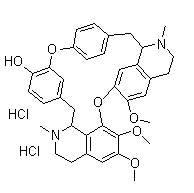
Berbamine dihydrochloride
Cat. No.
AKA-306
CAS No.
6078-17-7
MF
C37H40N2O6.2(HCl)
MW
681.66
Berbamine hydrochloride is an alkaloid with demonstrated biological activities in elevating white blood cell count, antiarrhythmia, and immunomodulation.
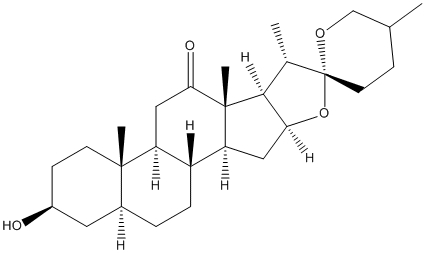
Hecogenin
Cat. No.
AKA-307
CAS No.
467-55-0
MF
C27H42O4
MW
430.6
Hecogenin serves as a key pharmaceutical intermediate in the synthesis of various steroid hormones, such as corticosteroids and sex hormones.
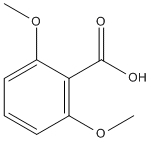
2,6-Dimethoxybenzoic acid
Cat. No.
AKA-308
CAS No.
1466-76-8
MF
C9H10O4
MW
182.1733
2,6-Dimethoxybenzoic acid is primarily used as an organic synthetic intermediate in pharmaceuticals and agrochemicals, particularly as a key starting material for the synthesis of certain high-potency penicillin drugs.
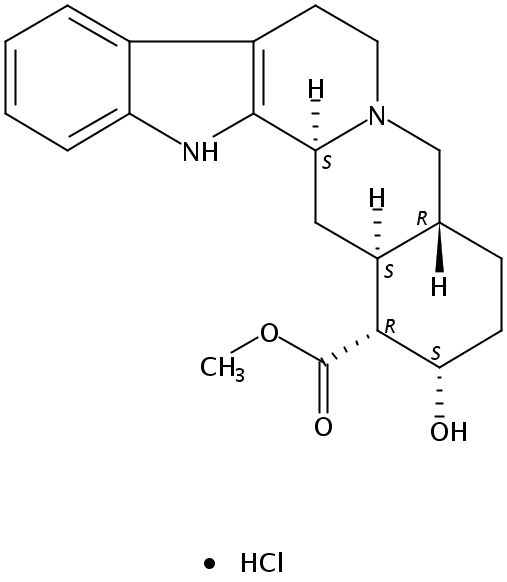
Yohimbine hydrochloride
Cat. No.
AKA-309
CAS No.
65-19-0
MF
C21H26N2O3.HCl
MW
390.90368
Yohimbine hydrochloride is an α-2 adrenergic receptor antagonist, primarily investigated for the treatment of erectile dysfunction, and possesses additional effects such as local anesthesia and blood pressure elevation.
Royal jelly acid
Cat. No.
AKA-310
CAS No.
14113-05-4
MF
C10H18O3
MW
186.24812
Royal jelly acid (10-hydroxy-2-decenoic acid) is utilized in the pharmaceutical field primarily as a natural component with demonstrated antibacterial, anti-inflammatory, immunomodulatory, and tissue regeneration-promoting activities. It is commonly employed in research and development for adjunctive therapies targeting skin injuries, ulcers, and immune-related disorders.
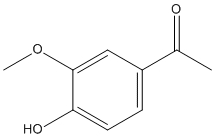
Acetovanillone
Cat. No.
AKA-311
CAS No.
498-02-2
MF
C9H10O3
MW
166.1739
4-Hydroxy-3-methoxyacetophenone (also known as 4'-Hydroxy-3'-methoxyacetophenone or Apocynin) is commonly used in organic synthesis, pharmaceutical intermediates, and the fragrance industry.
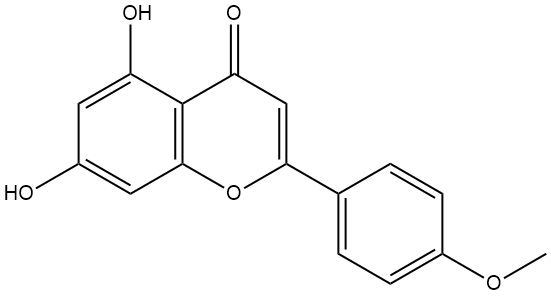
Acacetin
Cat. No.
AKA-312
CAS No.
480-44-4
MF
C16H12O5
MW
284.267
Acacetin (a flavonoid compound) is a natural product with anti-inflammatory, antioxidant, and neuroprotective activities, commonly used in pharmaceutical research and functional ingredient development.
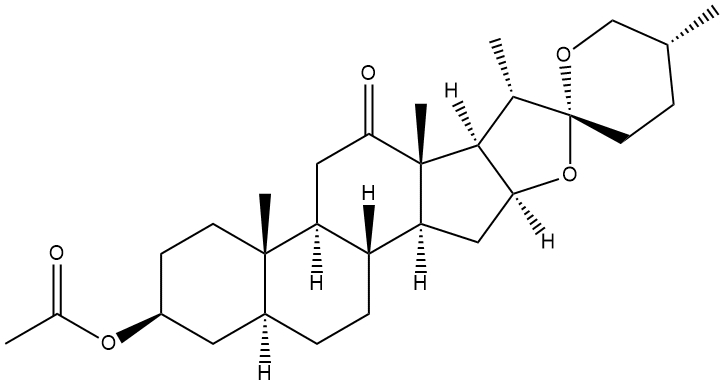
Hecogenin acetate
Cat. No.
AKA-313
CAS No.
915-35-5
MF
C29H44O5
MW
472.666
Hecogenin acetate, a steroidal saponin compound, is primarily employed as a key intermediate in the synthesis of steroid hormone drugs such as cortisone and betamethasone.
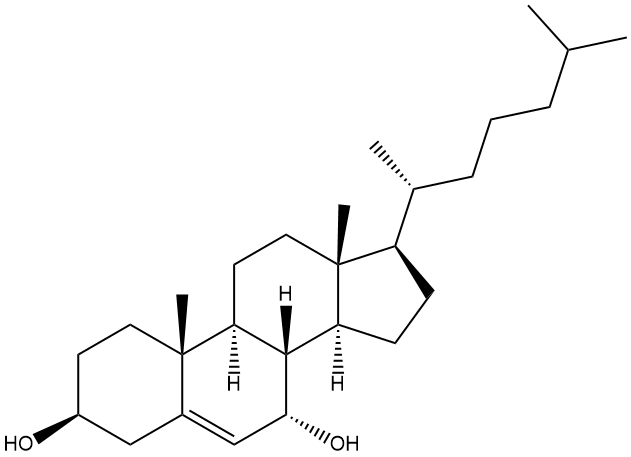
7alpha-Hydroxycholesterol
Cat. No.
AKA-314
CAS No.
566-26-7
MF
C27H46O2
MW
402.663
7 α-Hydroxycholesterol is a key metabolic precursor in the conversion of cholesterol to bile acids in animals. It is primarily catalyzed by cholesterol 7α-hydroxylase (CYP7A1) and constitutes the rate-limiting step in bile acid synthesis.
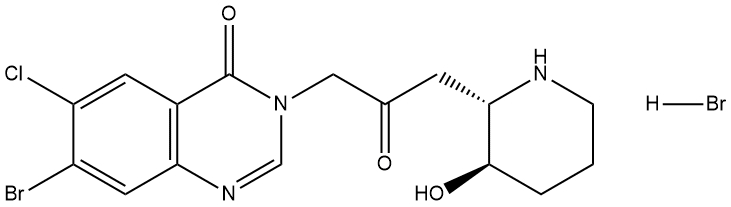
Halofuginone hydrobromide
Cat. No.
AKA-315
CAS No.
64924-67-0
MF
C16H18Br2ClN3O3
MW
495.596
Halofuginone hydrobromide, a derivative of the febrifugine extracted from the traditional Chinese medicine Dichroa febrifuga (Chang Shan), primarily exhibits significant antifibrotic, immunomodulatory (particularly inhibiting Th17 cell differentiation), and antitumor activities in the medical field. Its clinical indications are expanding beyond antimalarial use to include research in the treatment of scleroderma, hepatic fibrosis, atherosclerosis, and certain solid tumors.
Quinidine
Cat. No.
AKA-316
CAS No.
56-54-2
MF
C20H24N2O2
MW
324.4
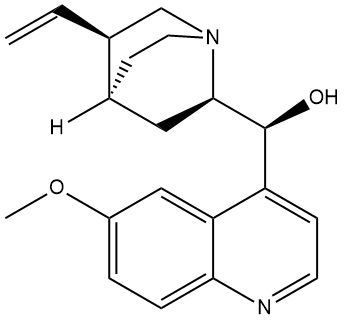
Quinidine is a natural alkaloid primarily employed as an antiarrhythmic agent. In the pharmaceutical industry, it also serves as a key intermediate in the synthesis of other chiral drugs or derivatives, and is utilized as a reference standard in ion channel research.
(+)-Cinchonine
Cat. No.
AKA-317
CAS No.
118-10-5
MF
C19H22N2O
MW
294.4
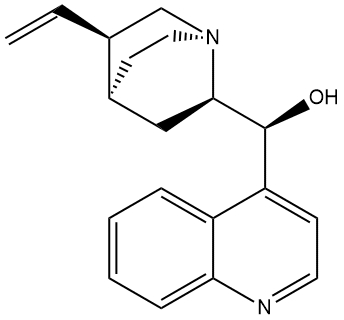
Cinchonine, a quinoline-type alkaloid extracted from cinchona bark, primarily exhibits antimalarial and antipyretic biological activities, with recent studies indicating its ability to promote tumor cell apoptosis. As both an antimalarial agent and a catalyst in asymmetric synthesis, this compound is widely utilized in pharmaceuticals and organic synthesis, often employed in the preparation of antitumor drugs.
(1R,2S,4R)-bornyl acetate
Cat. No.
AKA-318
CAS No.
20347-65-3
MF
C12H20O2
MW
196.29
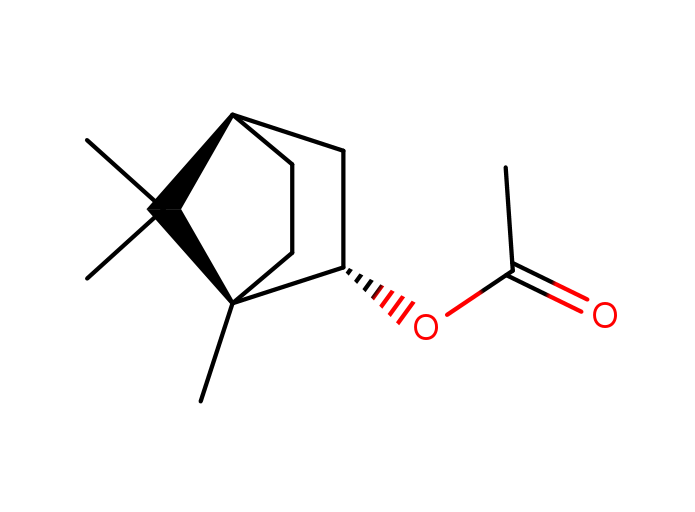
(1R,2S,4R)-bornyl acetate is a natural ester compound with a distinct pine-like aroma, primarily used as a fragrance fixative and food additive. It exhibits biological activities such as antibacterial, anti-inflammatory, and local analgesic effects. In the pharmaceutical field, it is often employed as an intermediate in the synthesis of camphor derivatives or other terpenoid drugs.
Pteroic acid
Cat. No.
AKA-319
CAS No.
119-24-4
MF
C14H12N6O3
MW
312.28
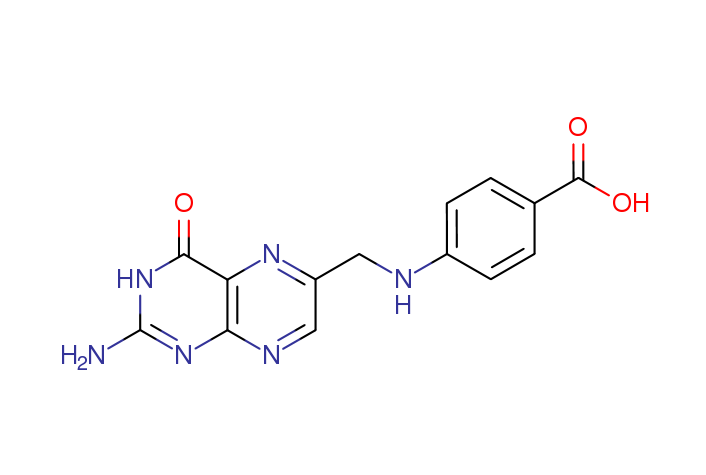
Pteroic acid serves as the core structural component of folic acid, primarily utilized as a pharmaceutical intermediate for synthesizing folic acid derivatives and researching antagonists of specific toxins.
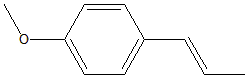
Anethole
Cat. No.
AKA-320
CAS No.
104-46-1
MF
C10H12O
MW
148.2
Anethole is a natural phenylpropanoid compound with an anise-like aroma, exhibiting biological activities such as antibacterial, anti-inflammatory, antitussive, and antiasthmatic effects. In the pharmaceutical field, it serves as a key intermediate for the synthesis of various drugs, including estrogens and antitussive agents.